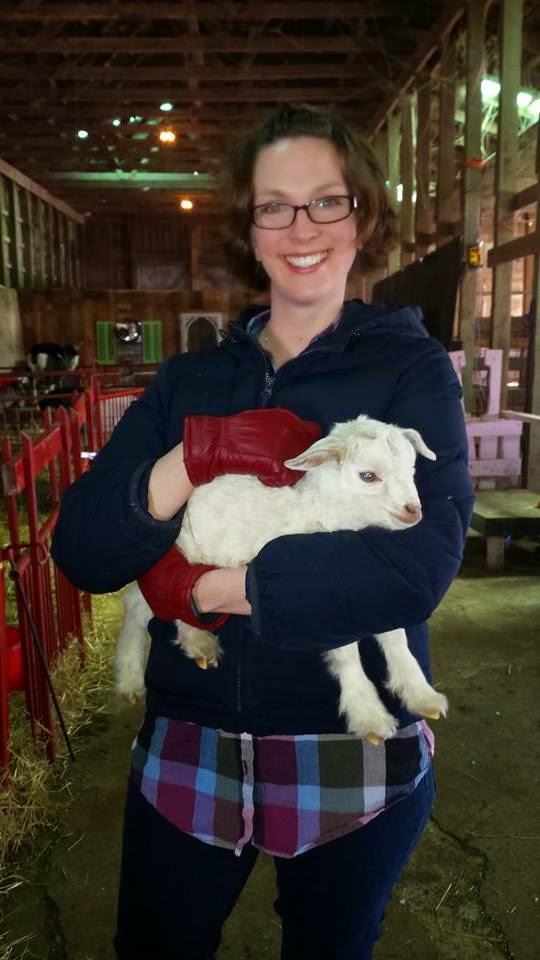
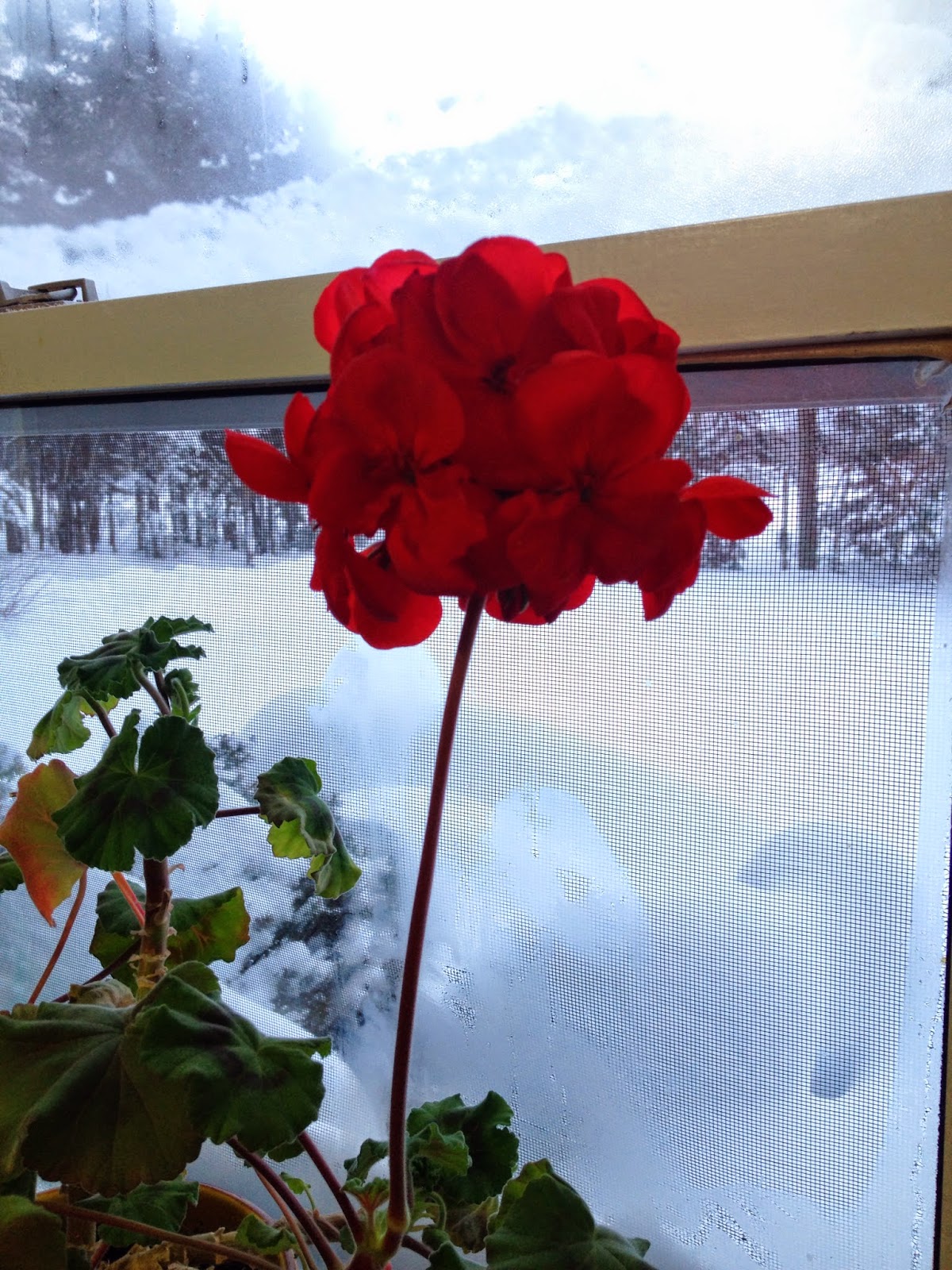
This is our first year with a vegetable garden at this property so things are a little humble--we're just getting started. But we have been loving spending time caring for it and I'm hoping to have at least a decent harvest this year! Chronicles of suburban livestock in Cornwall have been extremely discouraging, so at least there are bright green beauty plants to cheer me up. Here are a few shots from this morning!
Thursday, July 7, 2016
Wednesday, May 25, 2016
A living playhouse made with willows
Ever since I planted willows on several farm properties while working with an environmental organization back in 2007, I've been fascinated with them. We stuck bare little sticks in the ground and then these amazing shrubby trees grew; the farmer coppiced them after about 3-5 years, right to the ground, and then they came back! They were super plants! Plus they're beautiful. Then I helped work on a "fedge", or a living willow fence/hedge that was planted on a property in NS I visited while working in another job. When I saw that you could plant young willow branches and tie them together to make a living playhouse, I knew it was only a matter of time before I tried it myself. It took me about three years, but I finally did it.
Note: mine does not look as pretty, woven, and perfect as those you may find if you google a willow dome house. But I'm really happy with it. And this is how I did it:
In early April, I gathered about twenty-two or twenty-three willow branches that were about 2-3 seasons old and about 8-10 feet long, that had grown up from a coppice (they'd been cut to the ground and allowed to regrow from the stump, so there were many stems growing simultaneously from the same plant), rather than ordering straight cut lengths from a willow nursery, so mine are a little rustic, slightly less flexible, and a bit more branchy. I convinced my younger sister to help me round them up and borrowed our dad's truck to get them home. Thanks, Bec! Once I got them home I trimmed off the side branches from each main stem and set them aside. I didn't take pictures during this whole process, sorry!
I cleared an area in a perennial bed in our front yard, near the veggie garden so that the littles could play in the shade nearby while I garden. Using a big 10-inch spike/nail thing with a string tied to it to measure the circle's radius, which was roughly 3-4 feet, I poured a trail of flour around the circumference of the circle which would be the eventual walls of the dome. My students could tell anyone that I am horrible at drawing circles, so that string really helped me have a proper circular shape for the base. Then I used that same spike and a mallet to pound holes into the ground every 30 centimetres or so (switching between imperial and metric like only a Canadian can!) in order to open up a hole for the branch. I pushed the cut, bottom end of the branches as far as I could into the holes and as I made it around to where I had begun, I left the space between the first and last willow pole just a little larger to act as the door. I lashed the branches together at the top to form the dome's roof, and then took the larger of all the side shoots I had cut off and planted them in between the larger branches to help fill in space, and so that I can weave them through eventually to reinforce the dome's walls. You are supposed to put two to three between the structural willows and weave them through in an almost basket-like weave, but I didn't have enough so I am planning to do it with shoots coming from the established branches as they grow.
However, the top of my willow dome was really unattractively tied, due to the fact that at that point I was exhausted and wanted to go inside and sit down! I left it like that for about a month, hoping against hope that the branches would take. Ideally, I would have had them buried more deeply, covering more of their length in the soil, but the ground was still partially frozen and I had a hard time getting them in. I wanted to do it while they were still dormant, and with work it has been hard to set aside much time for this sort of project, so I just sort of jumped at my chance that weekend and hoped for the best.
Then this weekend, I untied the tops and retied them, and I feel that it looks a lot better. Not perfect, but more rounded and less embarrassing to have so close to the property line! Next, I put down a layer of mulch as the "flooring", and to finish it up, I planted scarlet runner beans that we started in my classroom at the base of every structural pole to climb up and help fill in the space as it gets established this year. I'm really pleased that with the warm weather this weekend, the yard is greening up and I was rewarded with buds bursting open on each of the main poles and all of the small branches as well, showing me that (at least for now) our living playhouse really is alive! I'm very hopeful that I can keep it that way, and as I have willow cuttings that I planted last fall coming up in other parts of my yard, the materials to "renovate" or fill in gaps that may not make it will be much closer at hand next time. :)
Here are some photos from this weekend. I still plan to put a small outdoor rug in with outdoor cushions to make it cozy. It's hard to see the little door, but in the first photo on the left it's the little arch toward the right of the dome.
Note: mine does not look as pretty, woven, and perfect as those you may find if you google a willow dome house. But I'm really happy with it. And this is how I did it:
In early April, I gathered about twenty-two or twenty-three willow branches that were about 2-3 seasons old and about 8-10 feet long, that had grown up from a coppice (they'd been cut to the ground and allowed to regrow from the stump, so there were many stems growing simultaneously from the same plant), rather than ordering straight cut lengths from a willow nursery, so mine are a little rustic, slightly less flexible, and a bit more branchy. I convinced my younger sister to help me round them up and borrowed our dad's truck to get them home. Thanks, Bec! Once I got them home I trimmed off the side branches from each main stem and set them aside. I didn't take pictures during this whole process, sorry!
I cleared an area in a perennial bed in our front yard, near the veggie garden so that the littles could play in the shade nearby while I garden. Using a big 10-inch spike/nail thing with a string tied to it to measure the circle's radius, which was roughly 3-4 feet, I poured a trail of flour around the circumference of the circle which would be the eventual walls of the dome. My students could tell anyone that I am horrible at drawing circles, so that string really helped me have a proper circular shape for the base. Then I used that same spike and a mallet to pound holes into the ground every 30 centimetres or so (switching between imperial and metric like only a Canadian can!) in order to open up a hole for the branch. I pushed the cut, bottom end of the branches as far as I could into the holes and as I made it around to where I had begun, I left the space between the first and last willow pole just a little larger to act as the door. I lashed the branches together at the top to form the dome's roof, and then took the larger of all the side shoots I had cut off and planted them in between the larger branches to help fill in space, and so that I can weave them through eventually to reinforce the dome's walls. You are supposed to put two to three between the structural willows and weave them through in an almost basket-like weave, but I didn't have enough so I am planning to do it with shoots coming from the established branches as they grow.
However, the top of my willow dome was really unattractively tied, due to the fact that at that point I was exhausted and wanted to go inside and sit down! I left it like that for about a month, hoping against hope that the branches would take. Ideally, I would have had them buried more deeply, covering more of their length in the soil, but the ground was still partially frozen and I had a hard time getting them in. I wanted to do it while they were still dormant, and with work it has been hard to set aside much time for this sort of project, so I just sort of jumped at my chance that weekend and hoped for the best.
Then this weekend, I untied the tops and retied them, and I feel that it looks a lot better. Not perfect, but more rounded and less embarrassing to have so close to the property line! Next, I put down a layer of mulch as the "flooring", and to finish it up, I planted scarlet runner beans that we started in my classroom at the base of every structural pole to climb up and help fill in the space as it gets established this year. I'm really pleased that with the warm weather this weekend, the yard is greening up and I was rewarded with buds bursting open on each of the main poles and all of the small branches as well, showing me that (at least for now) our living playhouse really is alive! I'm very hopeful that I can keep it that way, and as I have willow cuttings that I planted last fall coming up in other parts of my yard, the materials to "renovate" or fill in gaps that may not make it will be much closer at hand next time. :)
Here are some photos from this weekend. I still plan to put a small outdoor rug in with outdoor cushions to make it cozy. It's hard to see the little door, but in the first photo on the left it's the little arch toward the right of the dome.
Monday, May 23, 2016
Garden update : 2016
This past year has been an extremely busy one, with me going back to work teaching science and math in a French school about 82 km away from where we live, and Craig working full-time but also doing a placement for his social work program. Our homesteading activities have been rather limited, compared to where I had hoped to be, but life sometimes makes the decisions for us and we do the best we can while we pursue other responsibilities and try to just spend time together as a family when we happen to all be together. I intend to write a few posts over the next couple of weeks to bring any followers up-to-date on where we are currently find ourselves.
Food and Garden
Food and Garden
- I planted a perennial herb garden last year in a small garden bed outside our side door. I dug up hostas, spiraea, and a few other plants and shrubs that were the original occupants of the bed and planted Hidcote and Munstead lavender, French thyme, Italian oregano, lemon balm, peppermint, chives that I found in the backyard (yay!), tarragon (which I am rather unconvinced has made it through the winter), echinacea, as well as rudbeckia and monarda to fill up some space and attract and feed pollinators. Today, I went out early in the morning and gathered some chunks of sandstone to make a path throughout the herb garden so that the kids and I (and the oil man) don't compact the soil too much when walking through.
- In the fall of 2015, I used every leftover cardboard box we had from the move to this property and laid them out over a perennial bed in the front yard along the front path. It was a little sad to cover up the perennial bed, because it was beautiful out there, but it's the only really truly sunny part of our yard, the soil was quite compacted and heavy with clay, and tomatoes are first priority! I borrowed my father's truck to go fill the back with horse manure from an old school bus friend from when I was little, and spread that all over the cardboard. I continued piling on compost from our backyard compost pile, raked up leaves, and threw over it all random chunks of veggies, coffee grounds, and eggshells and whatever odds and ends that I found that seemed as though they would make some decent soil after having time to break down. This spring, I can see that the volume of the material has really decreased, and I intend to continue building the soil throughout the growing season and especially next fall. I still see the odd worn-out looking avocado pit and there's one still-huge brussels sprout stalk, but it broke down really well over the winter.
- The one problem I had to deal with is a really resilient and determined patch of astilbes that had broken through the cardboard and compost to raise its little leafy heads. I wasn't able to dig those out before putting down the sheet mulch because the root mass so was strong, so I spent much of Saturday afternoon going through all the soil and digging it all out. I was really pleased to see that being under all the sheet mulch had weakened the perennial root masses enough that it was a lot easier to dig them out. It was also good to see that the cardboard had really broken down, I wasn't sure about how that would work and was worried it would remain intact for a long time.
![]() |
| This bed doesn't look like much now, but I'll update as I like to believe it will be positively teeming with life in a few weeks! |
- I have a few plants already growing on the windowsill in my classroom and am a little late getting others started but have planted a few with the kidlets, and will probably just buy seedlings for this year. I'm focusing this year on the most important plants for our family : tomatoes, basil, garlic, and yellow beans but will be putting all sorts of other things in as well to fill up space and experiment. I'd like to continue building the soil in the front bed and fighting weeds and other perennials that are still fighting to keep their sunny home, and plan to expand the veggie garden next year. We have perennial beds lining the whole perimeter of our front yard so there is no lack of work to be done!
- Our fruit and nut plantings to date include two female and one male hardy kiwi vines, a pear tree, two hardy pecan trees, two hazelnut shrubs, three pawpaw trees, and a red currant bush. At some point I'd like to get raspberry plants in along the border between our house and the house next door That might happen this year but I'm leaning toward next year for those. We still have the two plum trees out front, but they didn't really bear anything last year. I was told by an acquaintance that they alternate between heavy fruiting years and sparse fruiting years, so I'm hoping for a more plentiful harvest from them this year. One fell over during an early winter ice storm this past winter, but the trunk and roots seem intact so we've already started shouldering it up and I hope it will make it. It seems to be doing well from what I can tell, and is budding so hopefully that "every second year" rule will work in our favour. Yesterday I planted ten Ozark Beauty strawberry starts in a small patch near our herb garden. They were just tiny sad-looking crowns and roots stored in soil, and looked rather like minuscule dead octopi, but I will keep my hopes up to see signs of life in the next few weeks.
![]() |
| Flower buds forming on our little four-in-one pear tree that we planted last year. |
![]() |
| Our hardy pecan trees look pretty good this spring as well. |
![]() |
| These are the buds on the plum tree that was knocked down, keeping our fingers crossed! |
- Finally, last month I harvested a bunch of young but long willow branches and took them home to attempt making a willow dome playhouse for the kids. You can read more about that in my next post. :)
- Because of our rather uninspiring vegetable gardening effort last year, I continued to be a part of an amazing organic veggie CSA that we've subscribed to for a few years now. Additionally, we were thrilled to find out that there was a new veggie CSA opening up through the winter months that included eggs and locally made cheese. That was a really bright spot in our winter as the selection was surprising considering the winter months. I expected a lot of rutabaga and cabbage and carrots but there were greenhouse-grown tomatoes and cucumbers and there were sprouts and all sorts of great yummy items!
Yay for Island-grown, nutritious food. Hopefully I'll make progress this year in growing more of my own, but I love the awesome veggies we get from our super farmers too. :)
Saturday, June 6, 2015
Spring has sprung
Well, despite my love of hot chocolate, wood stoves, handmade quilts, movie nights, snowshoeing (not that I did any this year), and, of course, Christmas, it felt like this winter would never end.
But it has!
I've been missing for quite some time because April was a wildly busy month due to some rather unexpected community involvement, and then during May, at various points each of the children was sick, as was I, and my love was away in Halifax for two weeks so I got a taste of the single parenting that so many island ladies are undertaking when their spouses are out west.
However, I'm back at this blogging thing, and I thought that to announce that I am still among the living, I'd share a couple of quick snaps as evidence that our beautiful island has emerged from the 540+ cm of snow (yes, that's almost 18 feet).
| The flowers for false lily-of-the-valley (Maianthemum canadense) haven't just come out yet but I love their delicate and dainty nature. |
| So this is the far less native and more intrusive lily of the valley, which I nonetheless appreciate. Especially covered in raindrops! |
| I don't care where forget-me-nots pop up, they make me incredibly happy. The kids love them, I love them, and they make adorable mini-bouquets all through the house! |
Sunday, April 5, 2015
Thoughts on sustainability and self-sufficiency on our homestead
I recently read a post about defining sustainability on one of my very favourite blogs, and I've been considering it ever since. It is such a buzzword these days and can sometimes be so meaningless, but it is also something that we're striving for, little by little here, so I think it's important to consider it.
Although there is a little part of me, the perfectionist hard-working part, that would love to meet every single one of our needs independently on our property, most of me understands that this is impossible. I can't knit, for one, although I'm learning. We don't have enough room to grow grains and to pasture animals. We have a wooded lot, but not a woodlot--and I refuse to cut down our tiny forest for firewood. There are all sorts of things that I can't or won't do to provide for our needs here.
There are also all sorts of things that I can and will and hope to do. I would like to grow toward supplying all of our maple syrup from our home! This will be years in the making, I am quite sure. I'd like to have a productive vegetable garden and establish perennial crops in the form of berry bushes, asparagus, fruit trees, rhubarb plants and others. I love canning and already make a variety of preserves, which I'd like to continue to expand. I bake all of the baked goods we need at home. I am so incredibly hopeful that we'll be able to have chickens for eggs and goats for milk one day (my presentation to town council went pretty well, I think, by the way!). I'd like to look into forest products that could meet medicinal and culinary needs and potentially be a small, renewable source of income or useful for trade. I'd love to install a greywater system to reduce our water usage and irrigate our garden, and we want to eventually install solar panels and other renewable energy options in our home. With all of these endeavours, and more, I think we will be able to provide a lot for ourselves, quite nicely!
In terms of our ecological footprint, it's big. As much as I'd like to think we don't have much of a negative impact on our precious earth, we do. We use a lot of water. We use a lot of electricity. We mostly use oil for heat and we have two vehicles. We have more electronics than I would like to admit, and we don't always make the best purchasing choices in terms of carbon emissions or agricultural practices, although we've been making strides in changing that one!
I guess the bottom line is, I don't know that we'll ever achieve a lifestyle in which we give back to our earth as much as (or more than) we take from it. I think this is what I would term sustainable. Am I not only refraining from using up all the resources I have at my disposal, but enriching the world around me? I'm not sure if we can, not entirely. But I believe it is a worthy objective. And I believe that even if we can't, every single little step that we make toward such a lofty goal will make a difference. Especially as they begin to accumulate!
As well, I know that we won't ever be self-sufficient. Not truly self-sufficient, and so a homestead that is entirely "self-sustaining" won't materialize in this little corner of the world. But as I thought about it, I realized, I wouldn't want it to. I want to meet many of our family's needs in as healthy and ecologically sound a way as possible. But I don't want to meet all of them. I think if I was working that hard, I'd be pretty darn grumpy a lot of the time. I know that I, and my patience, have limits. I want to enjoy this and share a beautiful, peaceful, rewarding life with my greatest treasure, my family. I doubt it would be very beautiful or peaceful if I was stressed out and squawking at everyone.
Additionally, I don't think it is natural for humans to strive for a lifestyle that eliminates the need for others. We are a naturally gregarious species, and we have developed a myriad of ways in which to cooperate with one another and in so doing, to achieve great things. We love friendship, and sharing, and enjoying one another's company, and I think that is something that is extremely valuable. I think we are so blessed to live in a small province where the sense of community runs deep, and I'd like to see it grow and blossom so that the strengths of each individual further bolster the community at large. We are richer together, I think, than we could ever be on our own.
As a result, I think it is ok that we can't produce our own wheat, or all of our own firewood, or our meat. Because there are others out there doing an incredible job producing those things. We just have to find a way to encourage each other to pursue our strengths in such a way as to enrich the land and the water and the air and the people around us. And then we will be a sustainable community that finds sufficiency within the network at its core.
Although there is a little part of me, the perfectionist hard-working part, that would love to meet every single one of our needs independently on our property, most of me understands that this is impossible. I can't knit, for one, although I'm learning. We don't have enough room to grow grains and to pasture animals. We have a wooded lot, but not a woodlot--and I refuse to cut down our tiny forest for firewood. There are all sorts of things that I can't or won't do to provide for our needs here.
There are also all sorts of things that I can and will and hope to do. I would like to grow toward supplying all of our maple syrup from our home! This will be years in the making, I am quite sure. I'd like to have a productive vegetable garden and establish perennial crops in the form of berry bushes, asparagus, fruit trees, rhubarb plants and others. I love canning and already make a variety of preserves, which I'd like to continue to expand. I bake all of the baked goods we need at home. I am so incredibly hopeful that we'll be able to have chickens for eggs and goats for milk one day (my presentation to town council went pretty well, I think, by the way!). I'd like to look into forest products that could meet medicinal and culinary needs and potentially be a small, renewable source of income or useful for trade. I'd love to install a greywater system to reduce our water usage and irrigate our garden, and we want to eventually install solar panels and other renewable energy options in our home. With all of these endeavours, and more, I think we will be able to provide a lot for ourselves, quite nicely!
In terms of our ecological footprint, it's big. As much as I'd like to think we don't have much of a negative impact on our precious earth, we do. We use a lot of water. We use a lot of electricity. We mostly use oil for heat and we have two vehicles. We have more electronics than I would like to admit, and we don't always make the best purchasing choices in terms of carbon emissions or agricultural practices, although we've been making strides in changing that one!
I guess the bottom line is, I don't know that we'll ever achieve a lifestyle in which we give back to our earth as much as (or more than) we take from it. I think this is what I would term sustainable. Am I not only refraining from using up all the resources I have at my disposal, but enriching the world around me? I'm not sure if we can, not entirely. But I believe it is a worthy objective. And I believe that even if we can't, every single little step that we make toward such a lofty goal will make a difference. Especially as they begin to accumulate!
As well, I know that we won't ever be self-sufficient. Not truly self-sufficient, and so a homestead that is entirely "self-sustaining" won't materialize in this little corner of the world. But as I thought about it, I realized, I wouldn't want it to. I want to meet many of our family's needs in as healthy and ecologically sound a way as possible. But I don't want to meet all of them. I think if I was working that hard, I'd be pretty darn grumpy a lot of the time. I know that I, and my patience, have limits. I want to enjoy this and share a beautiful, peaceful, rewarding life with my greatest treasure, my family. I doubt it would be very beautiful or peaceful if I was stressed out and squawking at everyone.
Additionally, I don't think it is natural for humans to strive for a lifestyle that eliminates the need for others. We are a naturally gregarious species, and we have developed a myriad of ways in which to cooperate with one another and in so doing, to achieve great things. We love friendship, and sharing, and enjoying one another's company, and I think that is something that is extremely valuable. I think we are so blessed to live in a small province where the sense of community runs deep, and I'd like to see it grow and blossom so that the strengths of each individual further bolster the community at large. We are richer together, I think, than we could ever be on our own.
As a result, I think it is ok that we can't produce our own wheat, or all of our own firewood, or our meat. Because there are others out there doing an incredible job producing those things. We just have to find a way to encourage each other to pursue our strengths in such a way as to enrich the land and the water and the air and the people around us. And then we will be a sustainable community that finds sufficiency within the network at its core.
Sunday, March 29, 2015
Trees for the future
I have been contemplating how best to use some money that I received for my birthday, and what I decided on was to purchase some fruit and nut trees for our property. Trees in and of themselves aren't really necessary, because our one acre is almost entirely wooded, with native species. We also have two plum trees, one that produces dark purple plums and one that grows plums that are peachy-blush in colour.
I think that fruit and nut trees are a really great investment in a property, and one that I've been waiting to make until I was living in a place that I knew I would want to stay. The idea of having a fresh harvest of our own organic fruit each year is a beautiful one, and I love the idea of being able to trade or share our bounty with others. As a result, I've been trying to decide on varieties that are less frequently seen in our area. Things that are a little unusual will be fun for us to try, and I also think they may be more desirable to trade. I'd love to see more of a barter economy here on PEI, where we can share and trade our own goods with those of others. (Too bad you aren't living here, Jackie, or I would definitely be trading you fruit for your honey when you get it flowing!) Food security is very important to me too, and a perennial crop of nutritious food that is a source of vitamins and protein and good fats seems like a good idea.
So I found a nursery in Ontario that will ship to us in the spring, and I just submitted my order, which I am really excited about!
I have been looking for a Canadian supplier of pawpaws, and while there are a few, the other two I contacted didn't respond. I can't wait to see how these turn out, never having eaten a pawpaw in my life! They're supposed to be like a cross between a banana and a mango with a very tropical scent and taste but they can grow in our zone 5b climate. They are supposed to be anti-carcinogenic and amazing sources of vitamins and minerals. I'm intrigued!
I was also thrilled to find a pecan variety that is hardy in our area. This is by far our favourite type of nut so I ordered two for what will hopefully one day be a decent crop. We have native hazelnuts in our area but I have never seen the fruit at maturity and I assume they all get devoured by wildlife before most humans have the privilege of tasting them. So I ordered two hazelnuts as well that I hope to plant near our house and keep under a watchful eye.
Finally, as a treat, I got a small Natalina fig tree to grow in a container. I think that indoor fig trees are beautiful anyway, but if one day I'm blessed enough to taste a fig from my own tree, it will be a truly wonderful thing and a reminder of my time in my beloved Italy.
I also have plans for multi-graft apples and pears, hardy kiwi, and a lot of berry bushes. I'm not sure how many I can get in this year, but I wanted to start with the trees because you really can't plant them early enough and I'd love to see a little return from them, at least a few of them, in the next five years or so. I'll update as my darling seedlings arrive!
What are you planting this year to promote food security for your family?
I think that fruit and nut trees are a really great investment in a property, and one that I've been waiting to make until I was living in a place that I knew I would want to stay. The idea of having a fresh harvest of our own organic fruit each year is a beautiful one, and I love the idea of being able to trade or share our bounty with others. As a result, I've been trying to decide on varieties that are less frequently seen in our area. Things that are a little unusual will be fun for us to try, and I also think they may be more desirable to trade. I'd love to see more of a barter economy here on PEI, where we can share and trade our own goods with those of others. (Too bad you aren't living here, Jackie, or I would definitely be trading you fruit for your honey when you get it flowing!) Food security is very important to me too, and a perennial crop of nutritious food that is a source of vitamins and protein and good fats seems like a good idea.
So I found a nursery in Ontario that will ship to us in the spring, and I just submitted my order, which I am really excited about!
I have been looking for a Canadian supplier of pawpaws, and while there are a few, the other two I contacted didn't respond. I can't wait to see how these turn out, never having eaten a pawpaw in my life! They're supposed to be like a cross between a banana and a mango with a very tropical scent and taste but they can grow in our zone 5b climate. They are supposed to be anti-carcinogenic and amazing sources of vitamins and minerals. I'm intrigued!
![]() |
| Photo of pawpaws on a tree. I also fully intend to sing to my children, particularly the youngest, about being "way down yonder in the pawpaw patch". If I'm honest, that might be a strong reason for choosing this fruit! |
I was also thrilled to find a pecan variety that is hardy in our area. This is by far our favourite type of nut so I ordered two for what will hopefully one day be a decent crop. We have native hazelnuts in our area but I have never seen the fruit at maturity and I assume they all get devoured by wildlife before most humans have the privilege of tasting them. So I ordered two hazelnuts as well that I hope to plant near our house and keep under a watchful eye.
Finally, as a treat, I got a small Natalina fig tree to grow in a container. I think that indoor fig trees are beautiful anyway, but if one day I'm blessed enough to taste a fig from my own tree, it will be a truly wonderful thing and a reminder of my time in my beloved Italy.
I also have plans for multi-graft apples and pears, hardy kiwi, and a lot of berry bushes. I'm not sure how many I can get in this year, but I wanted to start with the trees because you really can't plant them early enough and I'd love to see a little return from them, at least a few of them, in the next five years or so. I'll update as my darling seedlings arrive!
What are you planting this year to promote food security for your family?
Monday, March 23, 2015
Planning for Planting
| Yesterday's snowfall was absolutely beautiful, seen here in the early morning before the high winds started blowing snow around and causing major whiteouts. |
| Seed planting schedule, 2015 |
Veseys lists our final frost date as May 15th. They are the gardening specialists, but I think that May 15th is entirely too optimistic. I've based my seed starting on a tentative final frost date of May 30th, and I still think that transplanted seedlings will need some added protection until at least June 2nd, which is the first full moon in June. I was brought up with that as the key factor in deciding when to plant more tender annuals. Luckily, this year it's early! When it's near the end of the month I can't really abide by it.
| Seed starting dates organized by number of weeks before final frost date that they should be started. |
| Planting tray plans with numbers of each variety. |
I might have been a little overzealous when I bought the seed starting trays that I'll be using this year. I bought them because they have deep, hexagonal cells that I hope will meet the seedlings' needs until it's time to transplant outside. I'd like to skip the transplanting into a slightly bigger pot step. However, these trays are for the pros and have 72 cells per tray. I do not need that many! I may give a few seedlings to my dad, since he's planning to put a raised bed out at their cottage this summer, and I hope I can squeeze the rest in somewhere. Especially the tomatoes!
| Just a glimpse of some of our seed packets for this year. |
My schedule, drawn up on Saturday, reprinted in good copy yesterday, tells me that I need to plant my lavender now. So I had better get on that.
Wednesday, March 18, 2015
Buried under snow, but still here!
I have been quiet on this front the past week or so, but our days have been full...
| This beautiful boy turned six on Monday! |
| So his birthday celebrations naturally had to include time at a farm, which means time for his mum to snuggle goat babies! |
| With two more snowstorms this week, we are desperately trying to find spring where we can. |
| The snow also didn't interfere with lots of baby snuggles, especially during bum change time. :) |
Forgive the photo quality. Until my beloved has more free time on his hands, I'll be using photos taken with our cell phone, and for those of you that know me, I have shaky hands. But at least it's a glimpse into the beauty of our days!
Monday, March 9, 2015
Application is in, and hopefully being considered!
Last week I went to a public town meeting regarding development on a neighbouring property, and while I was there, I had the opportunity to speak once again to the planning officer for our town, as well as to the mayor. It was a perfect opportunity to quickly chat about our hopes for our property.
I had already delivered letters to our two adjacent neighbours explaining what we hope to do, which at this point, is to amend the zoning bylaws to allow for the keeping of chickens and small goats for personal use. I included a fact sheet for each chickens and goats, and gave them four ways to get in touch with me should they have any questions or concerns (and asked them to please do so). The night of the public meeting was one week after my delivery of the letters, and there had been no response, so we decided to move ahead with the application. This was just in time, since at the meeting, the planning officer told me that planning board would be meeting today and that if I wanted to have the matter tabled, I would need to get my application in by Friday at noon.
No problem! All I needed to start the ball rolling at this point was a letter of intent, so I whipped one up right away. The planning officer also told me that were I able to find an example of zoning bylaws that permit the keeping of small livestock which could be easily inserted into our existing bylaws, that would make it easier if this should be voted to go ahead. A lot of the bylaws that I came upon were more related to animal control, but Seattle's bylaws deal with zoning and they seemed very reasonable to me, with parameters that would work well for the property owner and for the municipality. I tidied up the look of them in a Word document, included the link to the bylaws, the document including the section relevant to our application, a pdf explaining the bylaws that could be useful in advising the public, and sent it all off--by email last Thursday, and dropping off a paper copy Friday morning.
Today the planning board met and the application will have hopefully been tabled. Before any decisions can be made, we will have to have a public meeting. I prefer this way, as it gives those with questions an opportunity to ask them and I would like to be able to answer in more detail. I don't know when I'll hear what the preliminary response to the application was like, but I will contact the planning officer in a few days if I don't hear anything.
I'm so hopeful that this will work out. Please keep this in your thoughts, as it is a very important process for me!
I had already delivered letters to our two adjacent neighbours explaining what we hope to do, which at this point, is to amend the zoning bylaws to allow for the keeping of chickens and small goats for personal use. I included a fact sheet for each chickens and goats, and gave them four ways to get in touch with me should they have any questions or concerns (and asked them to please do so). The night of the public meeting was one week after my delivery of the letters, and there had been no response, so we decided to move ahead with the application. This was just in time, since at the meeting, the planning officer told me that planning board would be meeting today and that if I wanted to have the matter tabled, I would need to get my application in by Friday at noon.
![]() |
| An excerpt from my planning board letter |
No problem! All I needed to start the ball rolling at this point was a letter of intent, so I whipped one up right away. The planning officer also told me that were I able to find an example of zoning bylaws that permit the keeping of small livestock which could be easily inserted into our existing bylaws, that would make it easier if this should be voted to go ahead. A lot of the bylaws that I came upon were more related to animal control, but Seattle's bylaws deal with zoning and they seemed very reasonable to me, with parameters that would work well for the property owner and for the municipality. I tidied up the look of them in a Word document, included the link to the bylaws, the document including the section relevant to our application, a pdf explaining the bylaws that could be useful in advising the public, and sent it all off--by email last Thursday, and dropping off a paper copy Friday morning.
Today the planning board met and the application will have hopefully been tabled. Before any decisions can be made, we will have to have a public meeting. I prefer this way, as it gives those with questions an opportunity to ask them and I would like to be able to answer in more detail. I don't know when I'll hear what the preliminary response to the application was like, but I will contact the planning officer in a few days if I don't hear anything.
I'm so hopeful that this will work out. Please keep this in your thoughts, as it is a very important process for me!
Tuesday, March 3, 2015
A little goat love in the winter
This winter has been getting long. There have been so many school cancellations and although the sheer quantity of snow makes for great play opportunities, the wind chill sometimes makes it a little less fun to stay out of doors. One way we've been beating cabin fever is by going to a friend's awesome farm to spend time with some of her animals. Island Hill Farm has a lot more than goats, but I had to be hands-free during the baby bunny cuddle time to make sure that our children handled them properly; likewise for the cats. The alpacas, pigs, ducks, chickens, donkey and horse are all sweet too, but the only animals I got a chance to photograph the kids with were the goats.
Besides, those are the most important animals there in my opinion! As someone who is slowly pining away for a couple of little backyard does, it does my heart good to spend some time with these ones and it helps tide me over.
Forgive the photo quality, I just had my phone with me. My husband is the family photographer and he isn't always around to document the fun!
Besides, those are the most important animals there in my opinion! As someone who is slowly pining away for a couple of little backyard does, it does my heart good to spend some time with these ones and it helps tide me over.
Forgive the photo quality, I just had my phone with me. My husband is the family photographer and he isn't always around to document the fun!
| This boy actually says that one of his favourite things in the world is "goat snuggles". |
| I am learning just how much like a goat she actually is--sweet but a bit naughty, getting into trouble and making me laugh all at once. |
| The sunshine on the straw makes for a cozy place to curl up with a friend. |
| He loved that this little pygmy was pawing him on the leg; I personally fell in love with that Nubian. |
| This about sums up my two children right here. Gentle and calm on the right, wild and wonderful on the left. |
Friday, February 27, 2015
Permaculture possibilities
Permaculture is something that has interested me for some time. To be honest, though, I found that a lot of the definitions that I was coming across in my reading were vague and left me feeling a little cloudy on the whole subject. It seems that permaculture experts don't want to pin it down as any one thing, such as a gardening philosophy, and so there aren't many concise, clear explanations.
To sum up my understanding of it (at least as it makes sense and is useful to me!), the idea of permaculture revolves around designing agricultural systems that serve human needs while mimicking ecological systems found in nature. In other words, while our garden and property will certainly be home to species not naturally found in PEI, they will work together as a community, forming a web of interactions that promotes harmony and allows each plant or animal to play multiple roles (e.g. a plum tree can provide shade, produce blossoms that feed pollinators and plums that feed us, slow the evaporation of moisture from the soil, serve as shelter to songbirds, etc.). It is difficult to imagine a system that is really as self sufficient and sustainable as even the simplest natural community, but even using this premise as a guideline seems like a solid starting point.
This kind of harmonious gardening appeals to me greatly, so I have been reserving books at our local library that will teach me more about how to properly design this sort of system. The first one that I borrowed was absolutely awful. I became a bit skeptical about the whole thing and then I got this book out of the library: Gaia's Garden: A Guide to Home-Scale Permaculture.
I loved reading this book. The author lives in California, so some of the plant suggestions aren't applicable to our zone 5b climate, but all in all, I really enjoy the way he has laid out this book and there are some very usable suggestions in it.
One thing that bothers me when reading about permaculture is all of the forest gardening information. It's not that I don't think forest gardening is great, but our property is almost entirely wooded! The little area where I have sun will most certainly not be planted in huge perennial shrubs and fruit trees that will eventually shade out everything else, thank you very much! Finding information about gardening in the forest, however, is much more difficult. This book has a few suggestions that might work for growing edibles in the woods, however, and some of the information about planting forest guilds lends itself to translation into planting in the woods. It also has good ideas to add to the companion planting and sheet mulching I already plan to do in our annual beds.
What I found most helpful though were the space-saving garden design tips, such as this one:
This image of a yard planted with interconnected keyhole beds captivated me. Our front yard (the south side of our home) is currently an adorable little rounded green lawn, surrounded by a thick border of perennials. My first objective is to turn the perennial border into an edible border, made up of annual veggie and flower beds, fruiting shrubs, and areas where perennial veggies such as asparagus can be planted. However, if I can convince my lovely husband to eventually give up the front lawn, this design would be a way I could maximize the sunshine in a beautiful way. Each of the keyholes seems like an exciting, secret little place to visit and the thought that they'd be filled with sugar pumpkins and flowers and berries and tomatoes makes them seem all the more magical. I imagine putting bird baths and little sculptures and fairy houses throughout as well, with bean teepees and sunflower forts and things that my kids would find enticing. I love this.
Additionally, in the section on water conservation, I loved one of the ideas that he highlighted regarding greywater use. Our house is a little curious, because although we are on municipal sewer, we get our water from a well. So we pull water up out of the ground, but none of the water we use gets treated and then returned to our soil--it gets pumped off to the municipal treatment plant. This doesn't sit overly well with me, and so I had been wondering about a way to use greywater--the used water that comes from showers and sinks and tubs and washing machines, but not the nasty toilet water (or blackwater). I knew that you couldn't use the water directly on vegetable beds, but irrigation seemed like the best use of it so how would that work? I don't want a lawn to water. I want tomatoes and strawberries.
When I saw this, I thought, "Yes."
The used water comes out of the house, goes first to a submerged gravel cleansing marsh stocked full of native wetland plants that can use the slightly grotty water and that are home to the bacteria that will cleanse it, then it goes through a series of tiny little ponds where the water becomes even cleaner until it ends up in a slightly larger one that could be used for ducks. I'm not keen on koi, but even providing habitat for local frogs would be lovely! Then I could dip my bucket into the final pond and use it for watering as well as habitat. The system would have to be very small, but the enhancement to the yard and the re-use and return to the soil of previously-used water is very attractive.
These are the two main new concepts that I got from this book, and there are a lot of other great tidbits in there, particularly for those who have a larger property that we do. I'd really recommend it for any gardener to read, but especially for those who would like to garden in a more nature-inspired manner.
What ways do you derive inspiration from nature in your garden planning?
To sum up my understanding of it (at least as it makes sense and is useful to me!), the idea of permaculture revolves around designing agricultural systems that serve human needs while mimicking ecological systems found in nature. In other words, while our garden and property will certainly be home to species not naturally found in PEI, they will work together as a community, forming a web of interactions that promotes harmony and allows each plant or animal to play multiple roles (e.g. a plum tree can provide shade, produce blossoms that feed pollinators and plums that feed us, slow the evaporation of moisture from the soil, serve as shelter to songbirds, etc.). It is difficult to imagine a system that is really as self sufficient and sustainable as even the simplest natural community, but even using this premise as a guideline seems like a solid starting point.
This kind of harmonious gardening appeals to me greatly, so I have been reserving books at our local library that will teach me more about how to properly design this sort of system. The first one that I borrowed was absolutely awful. I became a bit skeptical about the whole thing and then I got this book out of the library: Gaia's Garden: A Guide to Home-Scale Permaculture.
| This book, by Toby Hemenway, is an excellent primer on permaculture and designing your garden to enhance your environment in order to provide food, habitat, beauty and enjoyment. |
One thing that bothers me when reading about permaculture is all of the forest gardening information. It's not that I don't think forest gardening is great, but our property is almost entirely wooded! The little area where I have sun will most certainly not be planted in huge perennial shrubs and fruit trees that will eventually shade out everything else, thank you very much! Finding information about gardening in the forest, however, is much more difficult. This book has a few suggestions that might work for growing edibles in the woods, however, and some of the information about planting forest guilds lends itself to translation into planting in the woods. It also has good ideas to add to the companion planting and sheet mulching I already plan to do in our annual beds.
What I found most helpful though were the space-saving garden design tips, such as this one:
| Using keyhole beds (without the central compost tunnel) allows small spaces to be used much more efficiently, eliminating much of the necessary walkway space and freeing it up for use for planting. |
This image of a yard planted with interconnected keyhole beds captivated me. Our front yard (the south side of our home) is currently an adorable little rounded green lawn, surrounded by a thick border of perennials. My first objective is to turn the perennial border into an edible border, made up of annual veggie and flower beds, fruiting shrubs, and areas where perennial veggies such as asparagus can be planted. However, if I can convince my lovely husband to eventually give up the front lawn, this design would be a way I could maximize the sunshine in a beautiful way. Each of the keyholes seems like an exciting, secret little place to visit and the thought that they'd be filled with sugar pumpkins and flowers and berries and tomatoes makes them seem all the more magical. I imagine putting bird baths and little sculptures and fairy houses throughout as well, with bean teepees and sunflower forts and things that my kids would find enticing. I love this.
Additionally, in the section on water conservation, I loved one of the ideas that he highlighted regarding greywater use. Our house is a little curious, because although we are on municipal sewer, we get our water from a well. So we pull water up out of the ground, but none of the water we use gets treated and then returned to our soil--it gets pumped off to the municipal treatment plant. This doesn't sit overly well with me, and so I had been wondering about a way to use greywater--the used water that comes from showers and sinks and tubs and washing machines, but not the nasty toilet water (or blackwater). I knew that you couldn't use the water directly on vegetable beds, but irrigation seemed like the best use of it so how would that work? I don't want a lawn to water. I want tomatoes and strawberries.
When I saw this, I thought, "Yes."
| My dream greywater system. |
These are the two main new concepts that I got from this book, and there are a lot of other great tidbits in there, particularly for those who have a larger property that we do. I'd really recommend it for any gardener to read, but especially for those who would like to garden in a more nature-inspired manner.
What ways do you derive inspiration from nature in your garden planning?
Subscribe to:
Posts (Atom)